Yes, we’re skipping over a lot.
One of our explorations involved seeing if the motor could start.
Because the car had been sitting for some years, we took pains to drench all of the moving motor parts with oil first. After a few tentative motor rotations, done without spark plugs in, we set the valve clearance on all eight cylinders.
That mundane task gave us more insight into the nature of this beast. The radical roller lifter cam, acting through a set of 1.7:1 ratio rocker arms, produced prodigious valve lift: on the order of .77 inches at the valve. The springs are quite stiff, and the whole valvetrain is under tremendous forces. Finding the base circle of the cam lobs to be able to set lash was tricky; the high lift cam is also a long duration cam. And because there’s no easy way to crank the motor over with a wrench by hand, we were rotating the crankshaft by bumping the starter.
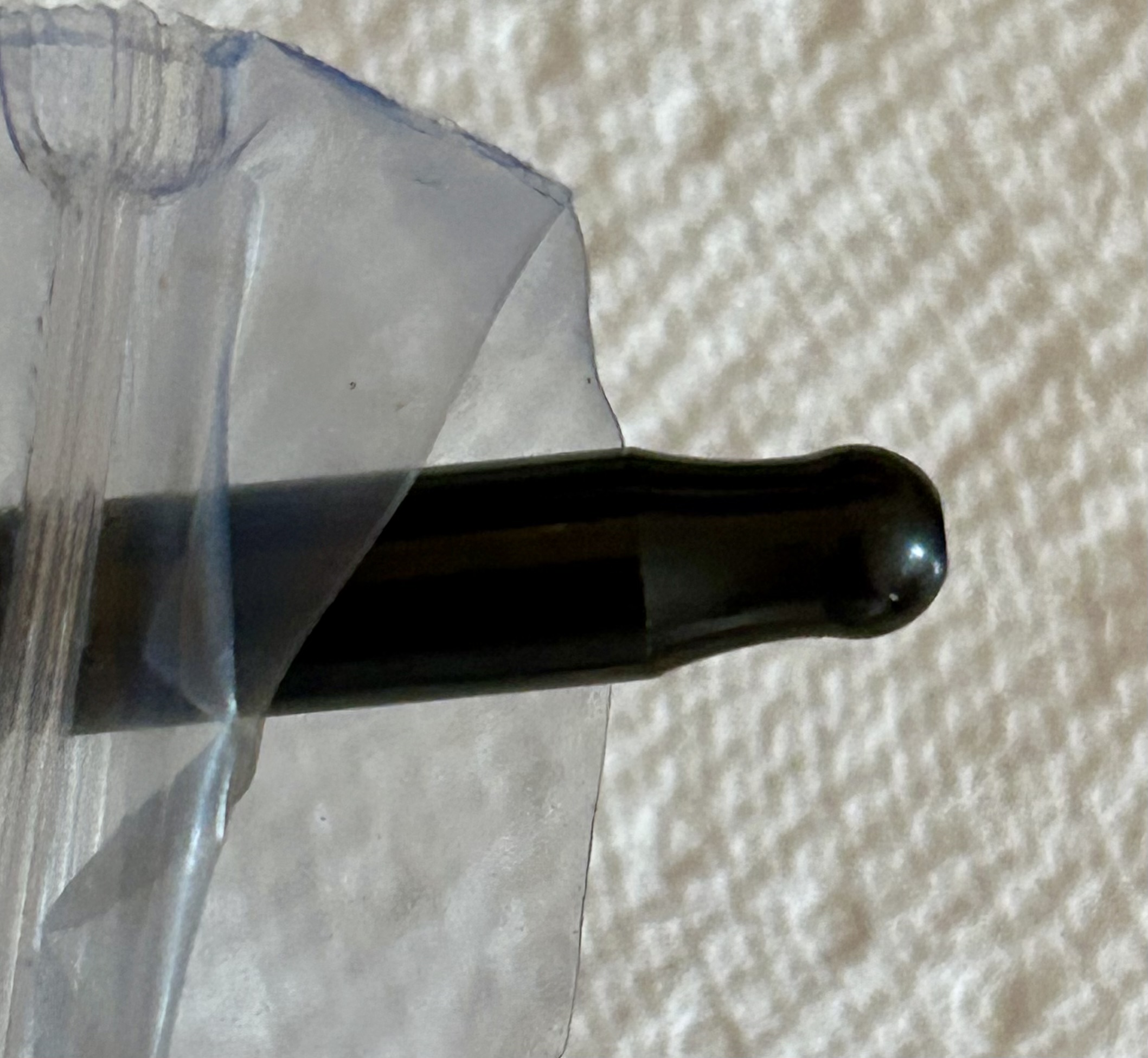
Having set all the valves, we put in fresh gas and coaxed the engine into life. Even with our auxiliary mufflers plugged into the headers, it was horrendously loud. During the initial running, we did determine that two cylinders on the right hand bank were colder than the rest and we shut it off to determine why. Under the valve cover … a mystery. Both the intake and exhaust rockers for cylinders four and six were loose—free of their pushrods, which were accordingly bouncing around free. The ends of the four pushrods were mushed up pretty badly, as they’d been hitting the rocker arm adjustment cups.
All the other rockers on both banks were fine. But those four rockers in the center of the right bank were all loose, and all the related pushrods were damaged. There followed a considerable amount of self-doubt and process-doubt and theorizing and … to no avail: we never reached a satisfactory conclusion of the inquiry, and never reached understanding of the cause.
But everything we’d removed in the quest was overhauled to a high standard before it went back on. The pushrods were replaced en masse with thicker-walled units with more relief (a.k.a. “layback”) around their ball ends. The new pushrods look to have more tolerance for the extreme lift in the valvetrain and its accompanying rocker arm geometry.
2 thoughts on “Correlation, Causation, Coincidence: Part Nine”
Comments are closed.