Yes, we’re still skipping over a lot.
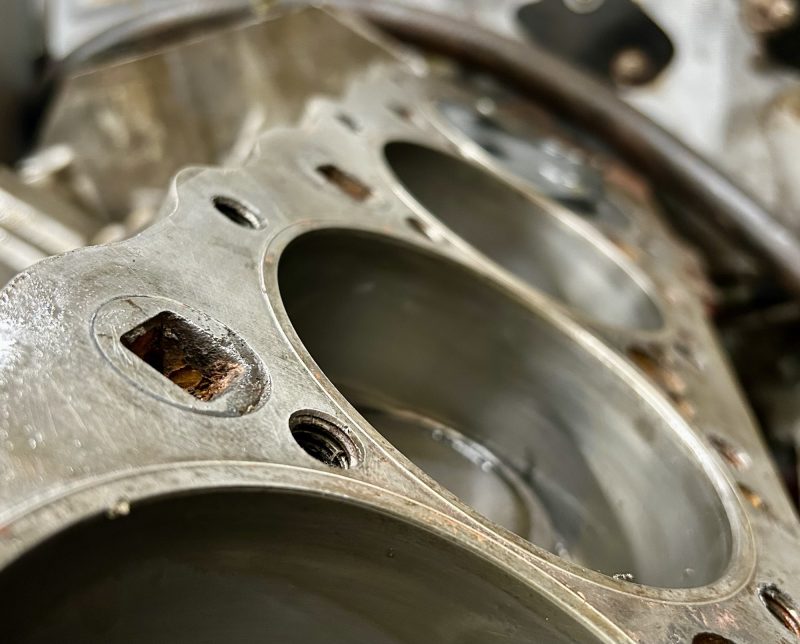
So the cylinder heads came back from the specialist, and they looked great. The springs and seats and seals and ports and the rest, all good to go. The surface of the block was fine, so after minor cleanup we fitted the copper gaskets and torqued down the high-strength head bolts.
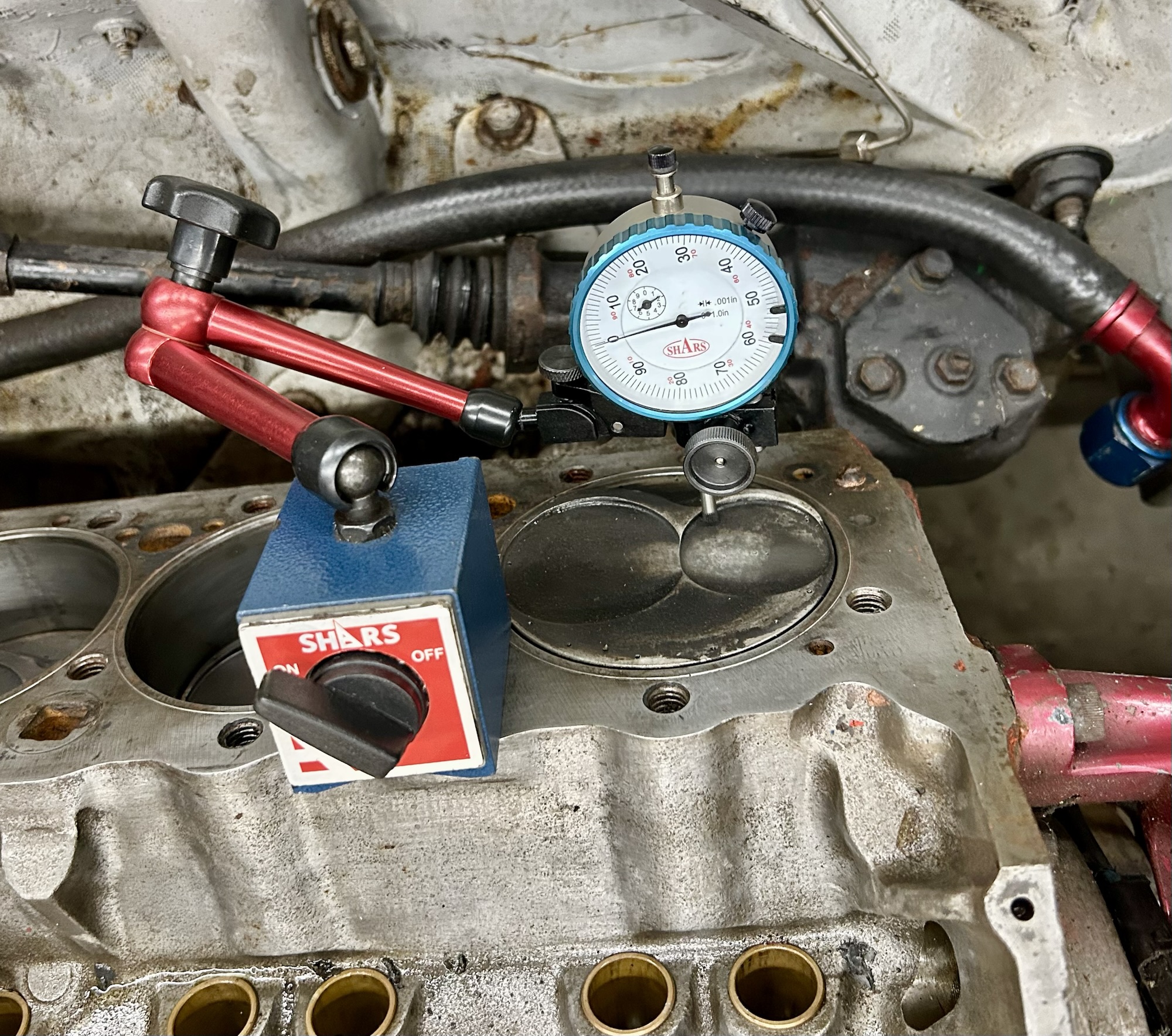
Assembly lube went on all the valvetrain bits, from the Lunati cam to the Crower roller lifters to the fancy Comp pushrods to the Jessel rockers. We set the valve lash following our previous method, and diligently checked again after some full cam rotations. We double-double checked the clearance on the numbers 4 and 6 cylinders that’d had the problems, but all was pleasingly consistent and boring.
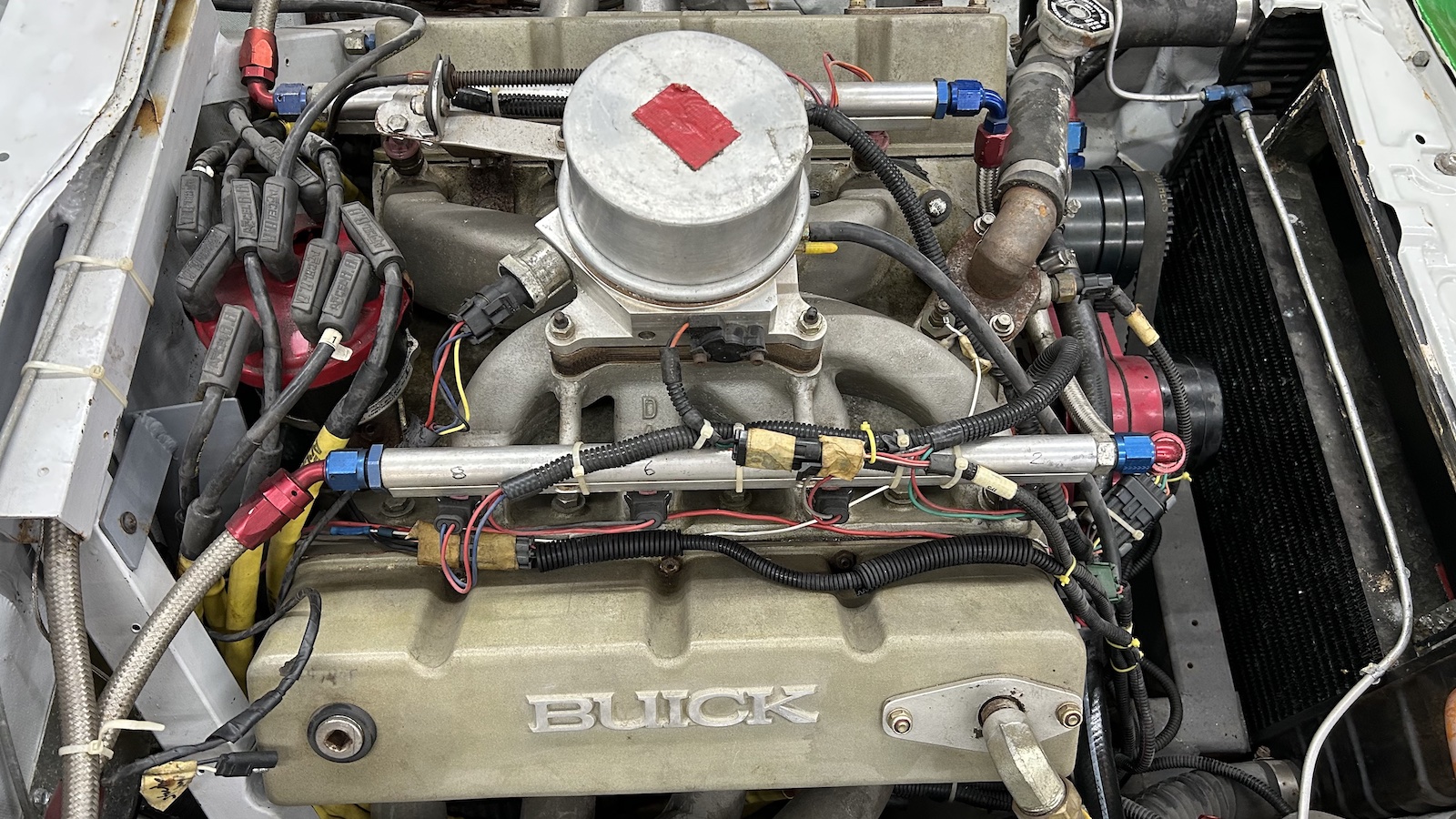
Intake manifold, on.
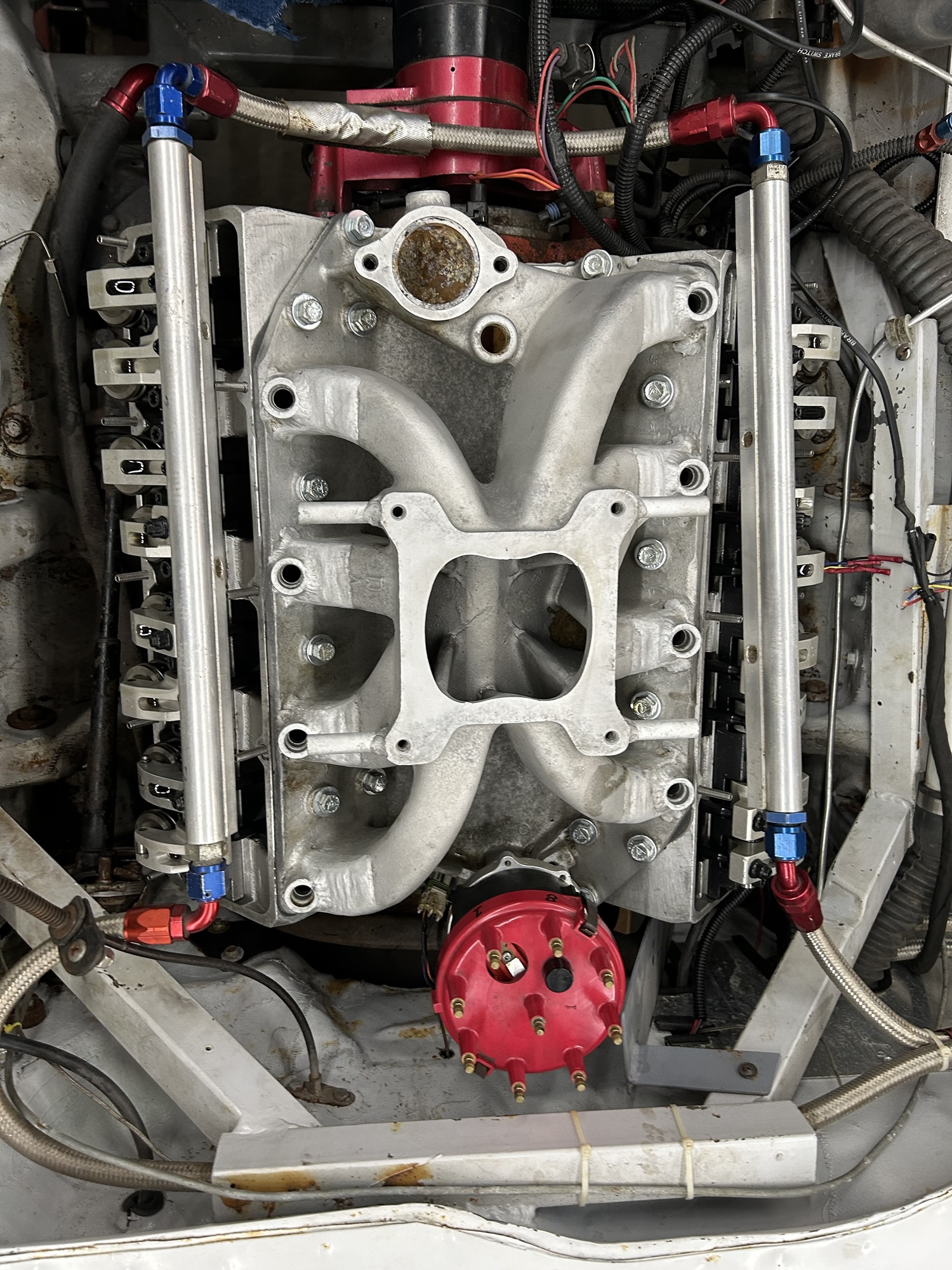
This seems like a great time to do a compression check; before the throttle body goes on.
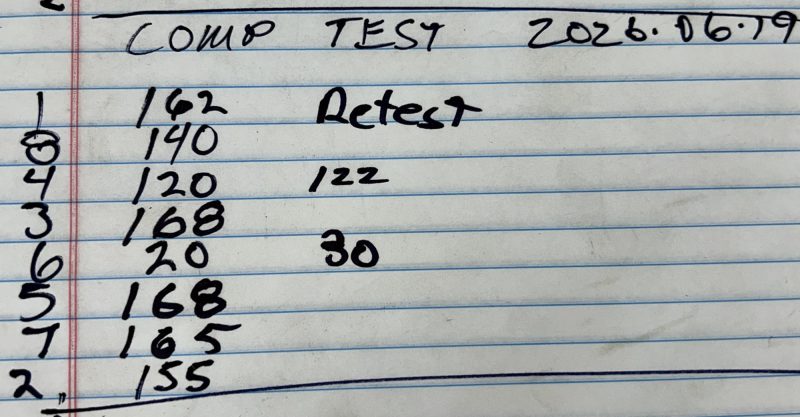
Well that’s sub-optimal.
Then we asked ourselves…
What if the loose pushrods on 4 & 6 during our initial running prevented those two cylinders from experiencing ‘strong combustion’? They were certainly colder than the rest of the cylinders, that’s how we first found the problem. What if running the motor had a positive effect on the compression of the cylinders that experienced combustion? Perhaps the gas ports in the heads of the piston, in concert with the heat of burning fuel and the shock of the high compression ignition, acted to free up piston rings just in those cylinders that actually ran?
Hypothesis: running the motor with good-functioning cylinders 4 & 6 will improve the compression measurements in those cylinders.
Our cunning plan
We’ll test this hypothesis by continuing to assemble the motor to get it to the point where we can again start it; then we’ll fire it up, doing our normal checks on temperatures and pressures, and let cylinders 4 and 6 “warm up” and burn some gasoline.